
Vaginal Dryness After 40: You Have Treatment Options
Sexual Health and Vaginal Dryness
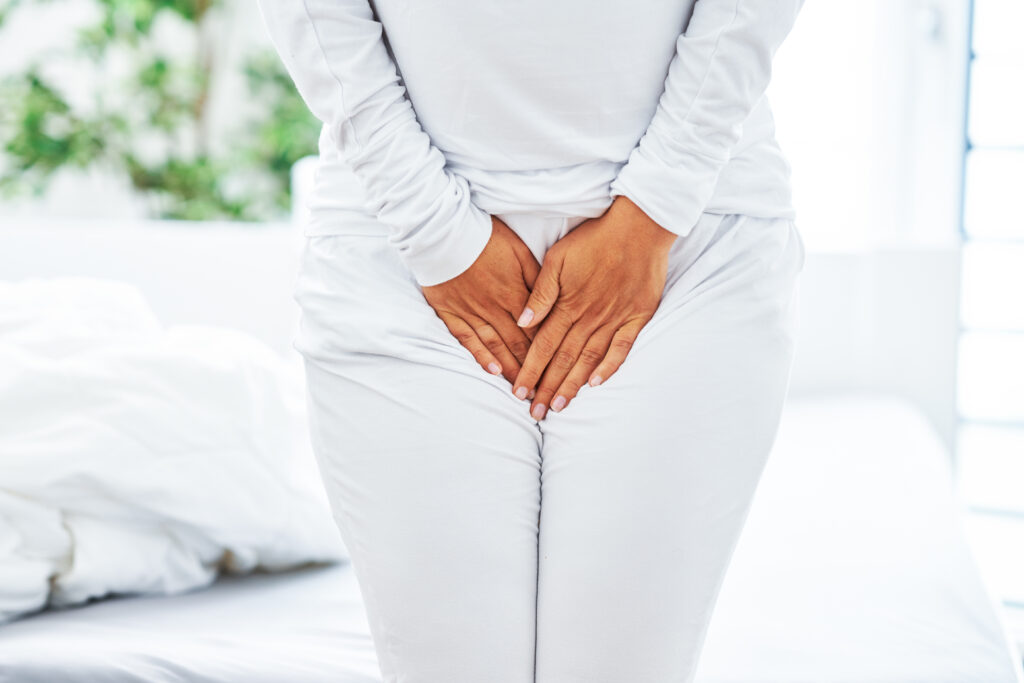
Why Vaginal Dryness Becomes More Common With Age
Vaginal dryness is extremely common during perimenopause and menopause, yet many women hesitate to discuss it. As estrogen levels decline, vaginal and vulvar tissues can become thinner, drier, and less elastic. Some women experience burning, itching, irritation, discomfort with exercise, or pain during intimacy. Urinary symptoms—including urgency, recurrent urinary tract infections, or discomfort with urination—may occur as well. These changes are often part of genitourinary syndrome of menopause (GSM), and women should know that effective treatment options are available.
Moisturizers and Lubricants Can Make a Difference
For mild symptoms, treatment may begin with non-hormonal options. Vaginal moisturizers are designed for regular use to improve ongoing dryness, while lubricants are generally used during sexual activity to reduce friction and discomfort. Dr. Susan Poncy can help patients understand which products may be appropriate and determine whether persistent symptoms warrant additional treatment. Women should not assume that discomfort is simply something they have to accept as they get older.
Vaginal Estrogen and Prescription Treatment Options
For moderate or persistent symptoms, low-dose vaginal estrogen may be considered after an individualized medical evaluation. It is available in several forms, including vaginal creams, tablets or inserts, and rings. Other prescription options for certain women may include vaginal DHEA (prasterone) or oral ospemifene. The best choice depends on your symptoms, medical history, medications, preferences, and individual risk factors. Women with a history of certain cancers or other medical concerns should have a personalized discussion with their physician before beginning hormonal treatment.
Could Hormone Replacement Therapy Help?
If vaginal dryness occurs along with hot flashes, night sweats, disrupted sleep, or other significant menopausal symptoms, menopausal hormone therapy (HRT) may also be part of the conversation. Dr. Susan Poncy can evaluate the bigger picture rather than treating one symptom in isolation. An appointment provides an opportunity to discuss menopause symptoms, sexual wellness, bone and cardiovascular health, preventive screenings, and whether localized vaginal treatment, systemic hormone therapy, non-hormonal therapy, or a combination of approaches may be appropriate.
Talk to Dr. Susan Poncy About Vaginal Dryness and Menopause
Painful intimacy, vaginal burning, dryness, or urinary changes should not simply be accepted as an inevitable consequence of aging. Dr. Susan Poncy offers personalized women’s health and menopause care to help identify the cause of your symptoms and discuss treatment options that fit your health history and goals. If you’re experiencing vaginal dryness or changes in sexual comfort, schedule a private consultation with Dr. Poncy. Starting the conversation may be the first step toward feeling comfortable and confident again.