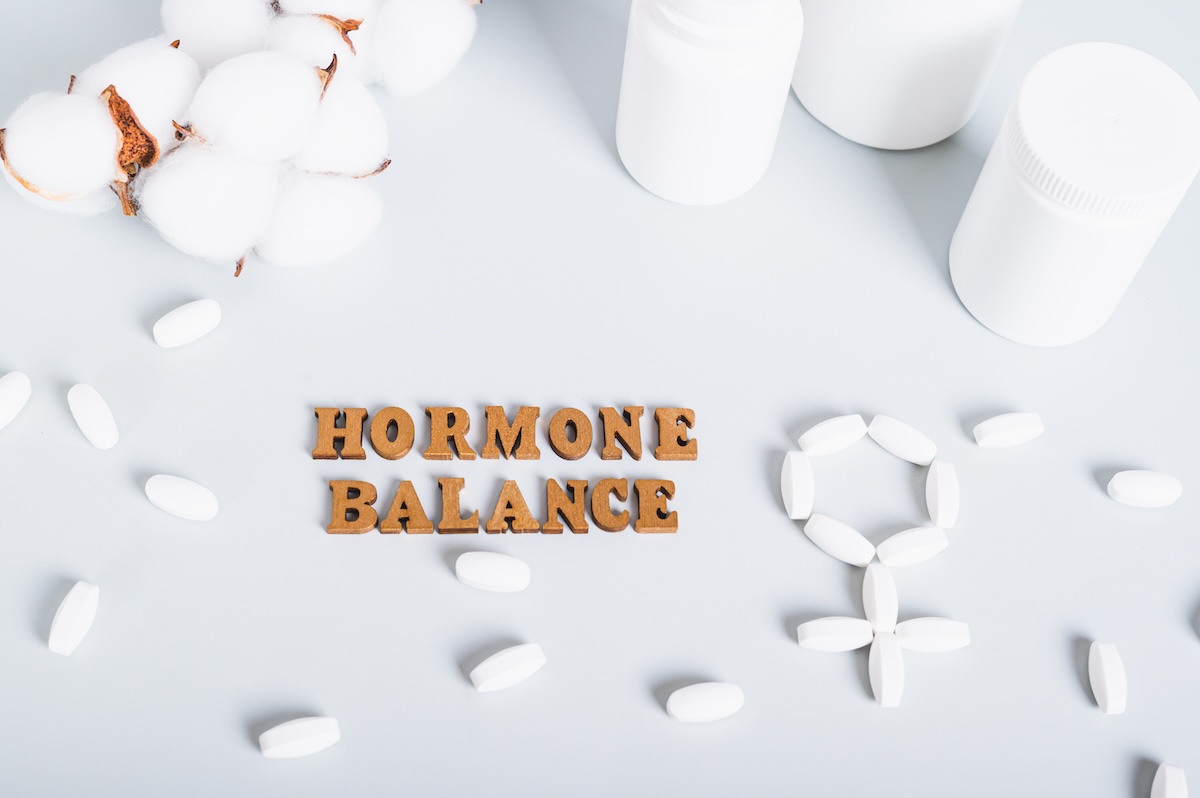

Categories
Blog

Perimenopause & Menopause Management

Thoughtful Perimenopause & Menopause Care — Backed by 30 Years of Experience

There’s a quiet moment many women experience in their late 30s or 40s when they think, Something feels different. You may still be performing at a high level — at work, at home, in your relationships — but your sleep is lighter, your patience thinner, your body responding differently to the same routines. Your cycle may shift, your mood may surprise you, and workouts that once worked no longer do.

For many women, this is perimenopause beginning. And it deserves attention.

Caring for Women in Palm Beach County Since 2000

Under the care of Susan Poncy, M.D., a board-certified OB/GYN with over three decades of experience, these changes are not minimized or dismissed. They are listened to, evaluated carefully, and addressed with both medical expertise and genuine understanding.

Space to Be Heard. Time to Be Understood.

Busy women often put themselves last. When they finally seek care, they don’t want a rushed appointment or a quick prescription. They want clarity.

Dr. Poncy’s concierge membership allows for longer conversations — the kind where you can speak openly about disrupted sleep, mood changes, brain fog, weight redistribution, libido shifts, anxiety, or simply not feeling like yourself. Instead of being told it’s “just stress” or “normal aging,” you receive thoughtful explanations about what your hormones are doing and how that affects your whole body.

A Personalized Plan for This Season of Life

Perimenopause and menopause are not identical experiences for every woman. Some need gentle hormone support. Others benefit from more structured therapy. Some need metabolic insight, thyroid evaluation, or help restoring sleep before hormones are even considered.

Dr. Poncy approaches treatment carefully and conservatively — ordering appropriate labs, reviewing your history in detail, and discussing options in a way that feels balanced and grounded. The goal is not dramatic change overnight. It’s steady improvement — clearer thinking, deeper sleep, more stable mood, and a body that feels more predictable again.

Protecting the Decades Ahead

This transition is also an opportunity. Midlife is when bone health, heart health, cognitive clarity, and metabolic resilience deserve renewed focus. Rather than waiting for problems to appear years later, this is the time to assess, monitor, and adjust thoughtfully.

Concierge care allows that continuity — regular follow-up, personalized screening schedules, and direct access when questions arise — so your health is managed with intention.

For Women Who Value Discretion, Strength, and Vitality

For women in Jupiter, Juno Beach, and Palm Beach Gardens who prefer a private, elevated approach to their health, perimenopause and menopause care is not about chasing youth. It’s about maintaining steadiness. Confidence. Energy. Presence.

With decades of experience and a calm, measured approach, Dr. Susan Poncy provides care that respects your time, your intelligence, and your standards — helping you move through this chapter feeling supported, informed, and fully yourself again.

Medical Care Resources

Categories
Blog

Hair Thinning / Hair Loss

Menopause and Hair Loss

Understanding Why Hair Changes Happen and When to Seek Help

For many women, menopause brings expected symptoms such as hot flashes, sleep changes, and fluctuations in energy. One symptom that often catches women by surprise, however, is hair thinning.

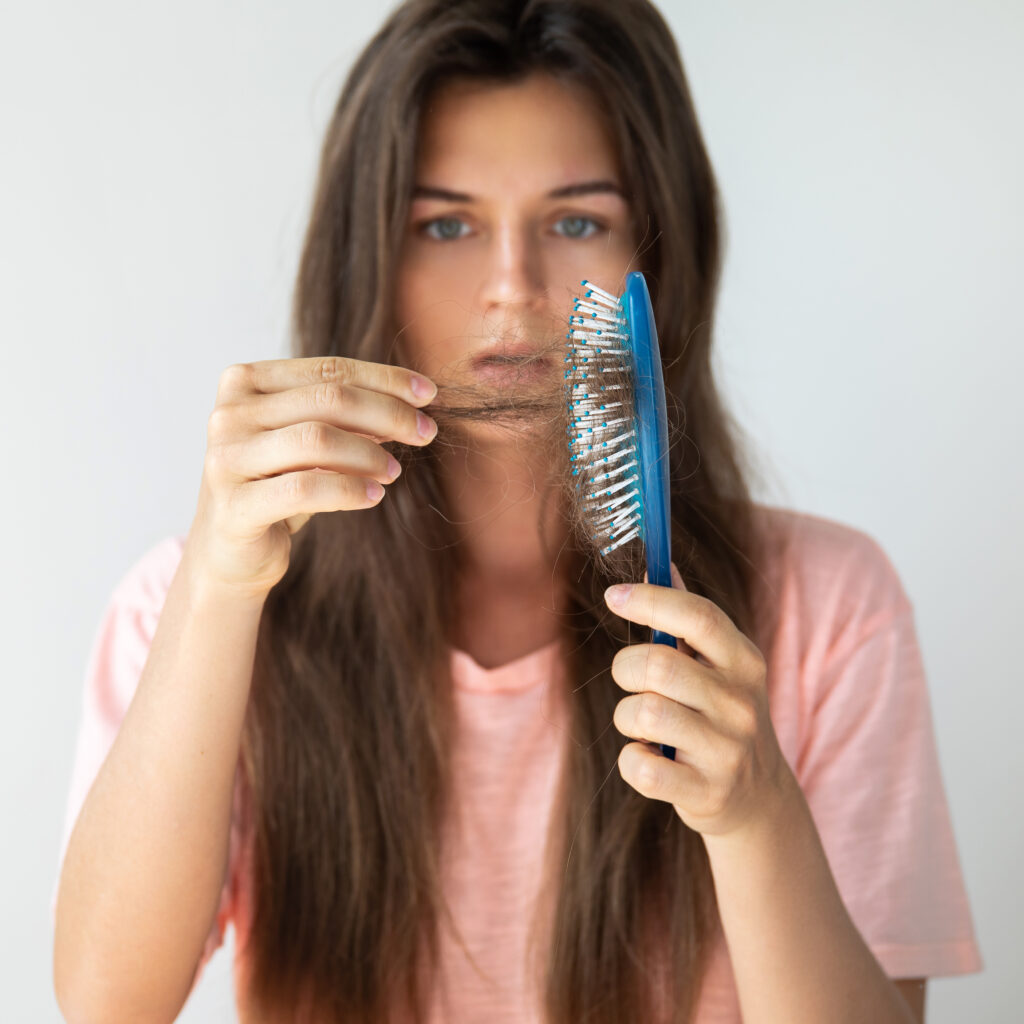
Many women begin noticing increased hair shedding while brushing, widening of the hair part, reduced volume, or hair that simply feels thinner than it once did. Because these changes can happen gradually, women often dismiss them initially as stress, aging, or temporary changes. Over time, however, hair loss can affect confidence and become emotionally difficult to ignore.

Hair changes during menopause are common, but they should not automatically be considered something women simply have to accept.

Why Hair Thinning Can Occur During Menopause

Hair growth is influenced by many factors, including hormones, nutrition, stress, genetics, thyroid function, and overall health. During perimenopause and menopause, changing hormone levels may affect the natural growth cycle of hair.

Women may notice:

  • Increased daily hair shedding
  • Hair becoming finer in texture
  • Reduced fullness or volume
  • Widening of the part line
  • Slower hair growth
  • Changes in skin and nail quality
  • Fatigue or other symptoms occurring at the same time

Hair thinning often occurs alongside symptoms such as restless sleep, mood changes, brain fog, weight changes, and lower energy levels, which may indicate a larger hormonal picture rather than an isolated issue.

Looking Beyond the Hair: Understanding the Whole Picture

Hair loss can be frustrating because it often feels like a visible reminder that something within the body has changed. However, successful treatment begins with understanding why it is happening.

With more than 30 years of experience in women’s health, Susan B. Poncy takes an individualized approach to evaluating symptoms and helping women better understand the factors contributing to how they feel.

A consultation with Dr. Poncy may include discussion of:

  • Hormonal changes associated with menopause
  • Symptoms affecting sleep and energy
  • Nutritional considerations
  • Lifestyle and stress factors
  • Overall wellness goals
  • Treatment options tailored to each woman’s needs

Can Hormone Replacement Therapy Help Hair Loss During Menopause?

For some women, hormone replacement therapy (HRT) may be considered as part of an overall treatment strategy when symptoms appear related to hormonal changes.

When appropriate, balancing hormones may help support areas that many women notice have changed during menopause, including:

  • Overall energy levels
  • Sleep quality
  • Mood and mental clarity
  • Hot flashes and night sweats
  • Skin and hair health
  • General sense of well-being

While no treatment can guarantee hair regrowth, improving underlying hormonal balance may help create a healthier environment for hair growth while also addressing other symptoms that may be affecting quality of life.

Many women seek care because they want more than simply treating a symptom. They want to feel like themselves again — to wake up with energy, feel more confident, and regain the sense that their bodies are working with them rather than against them.

Helping Women Feel Better From the Inside Out

Hair thinning may begin as a cosmetic concern, but for many women it represents something larger. It can be one of several signals that the body is undergoing significant changes.

Dr. Susan Poncy’s approach focuses not only on helping women understand those changes, but also on creating a personalized plan designed to improve overall well-being, helping women feel healthier, stronger, and more like themselves again.

Categories
Blog

Low Libido & Intimacy Concerns

Low Libido & Intimacy Concerns: Understanding the Underlying Causes

A decline in sexual desire, intimacy, or performance can affect men of all ages and is often linked to more than just hormone levels. Factors such as stress, poor sleep, weight gain, medications, chronic health conditions, relationship challenges, and hormonal imbalances can all contribute to changes in libido and sexual wellness. While these concerns are common, they should not be ignored, as they may be early indicators of underlying health issues that deserve medical attention.

A Comprehensive Medical Evaluation

Dr. Susan Poncy takes a personalized approach to evaluating low libido and intimacy concerns. Rather than focusing on a single symptom, she conducts a thorough assessment of overall health, lifestyle factors, hormone status, cardiovascular risk factors, and medical history. Laboratory testing may be recommended to evaluate testosterone levels, thyroid function, metabolic health, and other potential contributors that can impact sexual wellness and energy levels.

Personalized Treatment Options

Treatment recommendations are based on each patient’s unique needs and health goals. Depending on the underlying cause, options may include testosterone optimization, weight management strategies, lifestyle modifications, nutritional support, treatment of underlying medical conditions, and other evidence-based therapies. Dr. Poncy works closely with patients to develop individualized plans designed to improve overall wellness while addressing concerns related to libido, intimacy, and performance.

Restoring Confidence and Quality of Life

Sexual health is an important component of overall well-being and healthy aging. Many men find that addressing hormonal balance, metabolic health, sleep quality, and lifestyle factors can lead to meaningful improvements in energy, confidence, mood, and intimate relationships. Through compassionate care, ongoing monitoring, and a comprehensive wellness approach, Dr. Poncy helps men identify the factors affecting their sexual health and develop a plan to support long-term vitality and quality of life.

Categories
Blog

Weight & Body Composition

Weight and Body Composition in Women

Understanding Why Your Body Changes During Midlife

Many women reach a point where they begin saying, “I have not changed my eating habits, I still exercise, but my body feels different.” Weight gain around the midsection, changes in muscle tone, lower energy levels, and difficulty maintaining previous fitness goals can become increasingly common during perimenopause and menopause. For many women, these changes can feel frustrating, especially for those who have spent years maintaining active and healthy lifestyles.

While many assume these changes are simply a part of getting older, body composition shifts are often influenced by several factors including hormonal changes, metabolism, sleep quality, stress, nutrition, and overall health. During menopause, women may notice changes not only in body weight but also in where weight is stored and how their bodies respond to exercise and diet. The number on the scale tells only part of the story.

Understanding Body Composition Beyond the Scale

Body composition refers to the balance between lean muscle mass, body fat, and overall body structure. Two women can weigh the same but have very different body compositions and health profiles.

Women may notice:

  • Increased abdominal or midsection weight gain
  • Difficulty losing weight despite healthy habits
  • Reduced muscle tone or strength
  • Lower energy levels
  • Increased fatigue
  • Slower recovery after exercise
  • Changes in metabolism
  • Difficulty maintaining previous fitness goals

Understanding these changes can provide insight into why traditional dieting approaches may no longer produce the same results.

How Hormonal Changes Can Influence Weight and Metabolism

Hormones affect many systems throughout the body, including energy use, appetite regulation, sleep, muscle maintenance, and fat distribution. Changes during perimenopause and menopause may contribute to shifts in body composition that many women notice but do not fully understand.

Sleep disruption, stress, and hormonal fluctuations can work together in ways that make maintaining weight and energy levels more challenging. Rather than simply focusing on calorie restriction, many women benefit from understanding the underlying factors contributing to these changes.

Benefits of a Weight and Body Composition Consultation with Dr. Susan Poncy

With more than 30 years of experience in women’s health, Susan B. Poncy understands that weight management is not simply about eating less or exercising more. A personalized approach often begins with evaluating the whole picture and developing a strategy tailored to each woman’s goals and health needs.

Women may benefit from:

  • Comprehensive review of hormonal changes
  • Evaluation of factors affecting weight and metabolism
  • Discussion regarding menopause-related body changes
  • Personalized wellness and lifestyle guidance
  • Assessment of sleep and energy concerns
  • Discussion of treatment options when appropriate
  • Support focused on preserving muscle and promoting overall wellness
  • Individualized care designed around long-term health goals

Helping Women Feel Stronger, Healthier, and More Confident

Many women are not solely focused on losing weight; they want to regain energy, maintain strength, feel comfortable in their own bodies, and improve overall well-being. Understanding body composition rather than focusing only on the scale can create a healthier and more sustainable approach to long-term wellness.

Dr. Susan Poncy’s approach focuses on helping women understand the changes occurring within their bodies and developing individualized strategies designed to support healthy aging, vitality, and confidence at every stage of life.

Categories
Blog

Mood Changes & Irritability

Categories
Blog

Persistent Fatigue

When Feeling Tired Isn’t Normal

Understanding Persistent Fatigue

Everyone experiences occasional tiredness, especially after a busy week, poor sleep, illness, or increased stress. However, when fatigue becomes persistent and begins interfering with daily activities, work performance, exercise, relationships, or overall quality of life, it may be a sign that something more significant is occurring beneath the surface.

Persistent fatigue is more than simply feeling sleepy. Many individuals describe it as a lack of energy, reduced motivation, difficulty concentrating, physical exhaustion, or feeling drained despite getting adequate rest. If these symptoms continue for several weeks or months, it is important to identify the underlying cause rather than simply trying to push through it.

Common Causes of Ongoing Fatigue

Many medical conditions can contribute to chronic fatigue. Hormonal imbalances, including low testosterone in men, thyroid disorders, adrenal dysfunction, and menopause-related changes in women, are common culprits. Nutritional deficiencies such as low iron, vitamin B12 deficiency, or vitamin D deficiency may also leave individuals feeling constantly exhausted.

Other factors can include poor sleep quality, sleep apnea, chronic stress, anxiety, depression, infections, autoimmune conditions, metabolic disorders, medication side effects, and lifestyle habits that impact overall wellness. Because fatigue can stem from numerous causes, a comprehensive medical evaluation is often necessary to determine the most appropriate treatment plan.

Warning Signs That Warrant Medical Attention

While occasional tiredness is usually not concerning, certain symptoms should prompt a medical evaluation. Fatigue that lasts longer than several weeks, worsens over time, or significantly limits your ability to function should not be ignored. Additional warning signs include unexplained weight changes, shortness of breath, dizziness, headaches, memory problems, decreased exercise tolerance, mood changes, low libido, or difficulty recovering from routine activities.

Many people mistakenly assume that feeling exhausted is simply a normal part of aging. In reality, ongoing fatigue is often a symptom of an underlying issue that may be treatable once properly identified.

How Dr. Susan Poncy Can Help

Dr. Susan Poncy takes a personalized and comprehensive approach to evaluating persistent fatigue. Through a detailed medical history, physical examination, and advanced laboratory testing when appropriate, she works to identify potential hormonal, metabolic, nutritional, and lifestyle factors that may be contributing to low energy levels.

Rather than focusing solely on symptoms, Dr. Poncy develops individualized treatment plans designed to address root causes and optimize overall health. Whether fatigue is related to hormone imbalances, nutritional deficiencies, sleep concerns, stress, or other medical conditions, her goal is to help patients regain vitality, improve daily function, and enhance long-term wellness.

Take the First Step Toward Feeling Better

If you have been feeling persistently tired and have not found answers, it may be time to schedule a comprehensive evaluation. Early assessment can help uncover treatable causes and prevent symptoms from affecting your health, productivity, and quality of life. Working with an experienced physician such as Dr. Susan Poncy can provide the guidance and personalized care needed to help you feel your best again.

Categories
Blog

Brain Fog & Memory Lapses

Brain Fog and Memory Changes in Women

Understanding Hormonal Changes During Menopause

Many women entering perimenopause and menopause describe a frustrating experience that can be difficult to explain. They may walk into a room and forget why they went there, struggle to recall a familiar name, lose their train of thought during a conversation, or feel less focused than they once did. Women often refer to these experiences as “brain fog.” For busy professionals, mothers, caregivers, athletes, and women managing demanding schedules, these changes can feel both concerning and disruptive.

What Causes Brain Fog and Memory Lapses During Menopause?

Brain fog and memory lapses can occur during hormonal transitions and may affect women differently. Hormonal fluctuations, particularly changes involving estrogen, can influence several functions throughout the body, including sleep quality, mood regulation, concentration, and cognitive performance.

Women commonly report:

  • Difficulty concentrating during conversations
  • Forgetting names or appointments
  • Feeling mentally slower than usual
  • Difficulty multitasking
  • Reduced focus at work
  • Increased frustration or irritability
  • Feeling mentally exhausted despite adequate sleep

These symptoms may become more noticeable alongside other menopausal concerns such as hot flashes, restless sleep, fatigue, and changes in energy levels.

Why Sleep and Hormonal Changes Can Affect Memory

Sleep plays a significant role in how the brain processes and stores information. Women experiencing night sweats, interrupted sleep, or difficulty staying asleep may notice daytime changes in concentration and mental clarity.

Over time, inadequate restorative sleep may contribute to:

  • Reduced attention and focus
  • Increased daytime fatigue
  • Difficulty recalling information
  • Brain fog throughout the day
  • Reduced productivity and motivation

Many women initially assume these symptoms are simply a normal part of aging, when in reality hormonal changes and sleep disruption may be contributing factors.

How an Evaluation with Dr. Susan Poncy May Help Women Feel More Like Themselves Again

With more than 30 years of experience in women’s health, Susan B. Poncy understands that symptoms such as memory changes and brain fog rarely occur in isolation. Rather than focusing on one symptom alone, a comprehensive evaluation can help identify factors contributing to how a woman feels overall.

Benefits of a Women’s Health Consultation with Dr. Susan Poncy
Women may benefit from:

  • Comprehensive evaluation of hormonal changes
  • Personalized discussions regarding menopause symptoms
  • Assessment of sleep patterns and fatigue concerns
  • Evaluation of lifestyle and stress-related factors
  • Individualized treatment recommendations based on health goals
  • Guidance regarding hormone replacement therapy when appropriate
  • Support focused on improving overall wellness and quality of life
  • A compassionate and personalized approach developed through more than three decades of caring for women

Women’s Health Support for Brain Fog and Hormonal Changes in Jupiter, Florida

Many women seek care because they are not simply trying to improve memory. They want to feel more energized, more focused, and more like themselves again. Understanding hormonal changes and addressing symptoms early can help women regain confidence in how they feel physically and mentally.

Dr. Susan Poncy’s approach focuses on helping women better understand the changes occurring within their bodies while creating individualized plans designed to support focus, sleep, energy, and long-term well-being.

Categories
Blog

Hot Flashes & Night Sweats

Menopause, Restless Sleep, and Night Sweats

Understanding the Changes and Finding Support

Many Generation X women spend years balancing careers, families, relationships, fitness goals, and the daily demands of life. Then, often unexpectedly, they begin noticing changes that feel difficult to explain. Sleep becomes lighter, energy starts to decline, hot flashes appear without warning, and many women simply describe feeling, “not like myself anymore.”

During perimenopause and menopause, hormonal changes can affect much more than reproductive health. Women commonly experience:

  • Restless or interrupted sleep
  • Hot flashes and night sweats
  • Fatigue despite adequate sleep
  • Brain fog or difficulty concentrating
  • Mood changes and irritability
  • Reduced energy and exercise recovery

For many women, these symptoms become more than occasional frustrations. Poor sleep can influence mood, productivity, relationships, confidence, and overall quality of life.

Dr. Susan Poncy for Restless Sleep and Hormonal Changes

With more than 30 years of experience in women’s health, Susan B. Poncy understands that menopause is not a one-size-fits-all experience. A consultation with Dr. Poncy focuses on understanding the whole picture — listening to symptoms, evaluating contributing factors, and creating an individualized approach centered around each woman’s health goals.

Many women are not looking to become someone new; they simply want to feel like themselves again. Through personalized treatment discussions, lifestyle guidance, hormone evaluation when appropriate, and physician-directed wellness support with Dr. Poncy, women may experience meaningful improvements in areas that affect everyday life.

Women Seek Dr. Susan Poncy with goals such as:

  • Sleeping more consistently through the night
  • Feeling more energized throughout the day
  • Improving mental clarity and focus
  • Supporting exercise performance and recovery
  • Reducing the impact of hot flashes and night sweats
  • Improving overall well-being and quality of life

Women should not feel that exhaustion, interrupted sleep, or feeling unlike themselves are experiences they simply have to accept. Sometimes the most important step toward feeling better begins with understanding what your body is trying to tell you.

Medical Care Resources

Categories
Blog

Bio-identical Hormones Replacement Therapy (HRT)

Bio-Identical Hormone Replacement Therapy (HRT) 

Concierge Women’s Hormone Care with Susan B. Poncy, M.D.
Board-Certified OB/GYN | Serving Jupiter & Northern Palm Beach County

Understanding Hormonal Changes in Your 30s and Beyond

Hormonal transitions often begin earlier than many women expect. In your 30s and 40s, subtle shifts in estrogen, progesterone, and testosterone may lead to symptoms such as disrupted sleep, anxiety, brain fog, decreased libido, stubborn weight gain, or fatigue that doesn’t improve with diet and exercise.

These changes are common — but they are not insignificant.

Susan B. Poncy, M.D., a board-certified OB/GYN with over 30 years of experience, has cared for women in Jupiter and Palm Beach County since 2000. Her approach to hormonal health is grounded in medical precision, thoughtful evaluation, and individualized care.

What Is Bio-Identical Hormone Replacement Therapy?

Bio-identical Hormone Replacement Therapy (HRT) uses hormones that are structurally identical to those naturally produced by the body. When prescribed appropriately and monitored carefully, HRT can help restore hormonal balance during perimenopause, menopause, or other hormonally related conditions.

The objective is not excess — it is balance.

Hormone therapy may support improvements in:

  • Sleep quality
  • Mood stability
  • Cognitive clarity
  • Energy levels
  • Libido
  • Body composition and metabolic regulation
  • Treatment decisions are made only after careful assessment of medical history, symptoms, laboratory data, and long-term health goals.

A Comprehensive, Personalized Evaluation

Under Dr. Poncy’s care, hormone therapy begins with a detailed and individualized evaluation that may include:

  • Comprehensive symptom review
  • Full personal and family medical history
  • Targeted laboratory testing
  • Cardiovascular and metabolic risk assessment
  • Breast and bone health evaluation
  • Some women may benefit from low-dose estrogen and progesterone therapy. Others may require testosterone optimization or metabolic support alongside hormone treatment. Ongoing monitoring ensures dosing remains appropriate and aligned with each patient’s evolving needs.

What Women Can Expect Under Concierge Care

Dr. Poncy’s concierge women’s health program offers a more personal and attentive model of care — particularly valuable for women navigating hormonal transitions.

Patients can expect:

Extended, unhurried appointments
Direct physician access
Thorough explanation of laboratory findings and treatment options
Conservative, evidence-based hormone prescribing
Ongoing follow-up and thoughtful dose adjustments
Coordination of preventive screenings and longevity strategies
This model allows for deeper conversations, individualized treatment planning, and continuity of care without the time constraints of traditional medical settings.

Safety, Experience, and Long-Term Partnership

Hormone therapy is not appropriate for every woman. A careful discussion of risks, benefits, and personal health history is essential before initiating treatment. Dr. Poncy’s decades of OB/GYN experience provide the clinical foundation for informed, balanced decision-making.

For women  who feel that something is “off,” a comprehensive hormone evaluation can provide clarity and direction.

With experienced guidance and concierge-level attention, bio-identical hormone therapy may be part of a broader strategy to restore balance, vitality, and confidence at every stage of life.

Categories
Blog

Progesterone and Menopause

Thoughtful Perimenopause & Menopause Care — Backed by 30 Years of Experience

There’s a quiet moment many women experience in their late 30s or 40s when they think, Something feels different. You may still be performing at a high level — at work, at home, in your relationships — but your sleep is lighter, your patience thinner, your body responding differently to the same routines. Your cycle may shift, your mood may surprise you, and workouts that once worked no longer do.

For many women, this is perimenopause beginning. And it deserves attention.

Caring for Women in Palm Beach County Since 2000

Under the care of Susan Poncy, M.D., a board-certified OB/GYN with over three decades of experience, these changes are not minimized or dismissed. They are listened to, evaluated carefully, and addressed with both medical expertise and genuine understanding.

Space to Be Heard. Time to Be Understood.

Busy women often put themselves last. When they finally seek care, they don’t want a rushed appointment or a quick prescription. They want clarity.

Dr. Poncy’s concierge membership allows for longer conversations — the kind where you can speak openly about disrupted sleep, mood changes, brain fog, weight redistribution, libido shifts, anxiety, or simply not feeling like yourself. Instead of being told it’s “just stress” or “normal aging,” you receive thoughtful explanations about what your hormones are doing and how that affects your whole body.

A Personalized Plan for This Season of Life

Perimenopause and menopause are not identical experiences for every woman. Some need gentle hormone support. Others benefit from more structured therapy. Some need metabolic insight, thyroid evaluation, or help restoring sleep before hormones are even considered.

Dr. Poncy approaches treatment carefully and conservatively — ordering appropriate labs, reviewing your history in detail, and discussing options in a way that feels balanced and grounded. The goal is not dramatic change overnight. It’s steady improvement — clearer thinking, deeper sleep, more stable mood, and a body that feels more predictable again.

Protecting the Decades Ahead

This transition is also an opportunity. Midlife is when bone health, heart health, cognitive clarity, and metabolic resilience deserve renewed focus. Rather than waiting for problems to appear years later, this is the time to assess, monitor, and adjust thoughtfully.

Concierge care allows that continuity — regular follow-up, personalized screening schedules, and direct access when questions arise — so your health is managed with intention.

For Women Who Value Discretion, Strength, and Vitality

For women in Jupiter, Juno Beach, and Palm Beach Gardens who prefer a private, elevated approach to their health, perimenopause and menopause care is not about chasing youth. It’s about maintaining steadiness. Confidence. Energy. Presence.

With decades of experience and a calm, measured approach, Dr. Susan Poncy provides care that respects your time, your intelligence, and your standards — helping you move through this chapter feeling supported, informed, and fully yourself again.

Medical Care Resources

Hip Pain Treatment Palm Beach

Concierge Doctor in Jupiter Florida

Internal Medicine Physician Jupiter

Personalized Medical Care at Home

Companion Care Services Jupiter

Personalized Psychiatric Care Florida