
Hair Thinning / Hair Loss
Menopause Treatment Options for Hair Loss with Susan Poncy, MD
Menopause and Hair Loss
Understanding Why Hair Changes Happen and When to Seek Help
For many women, menopause brings expected symptoms such as hot flashes, sleep changes, and fluctuations in energy. One symptom that often catches women by surprise, however, is hair thinning.
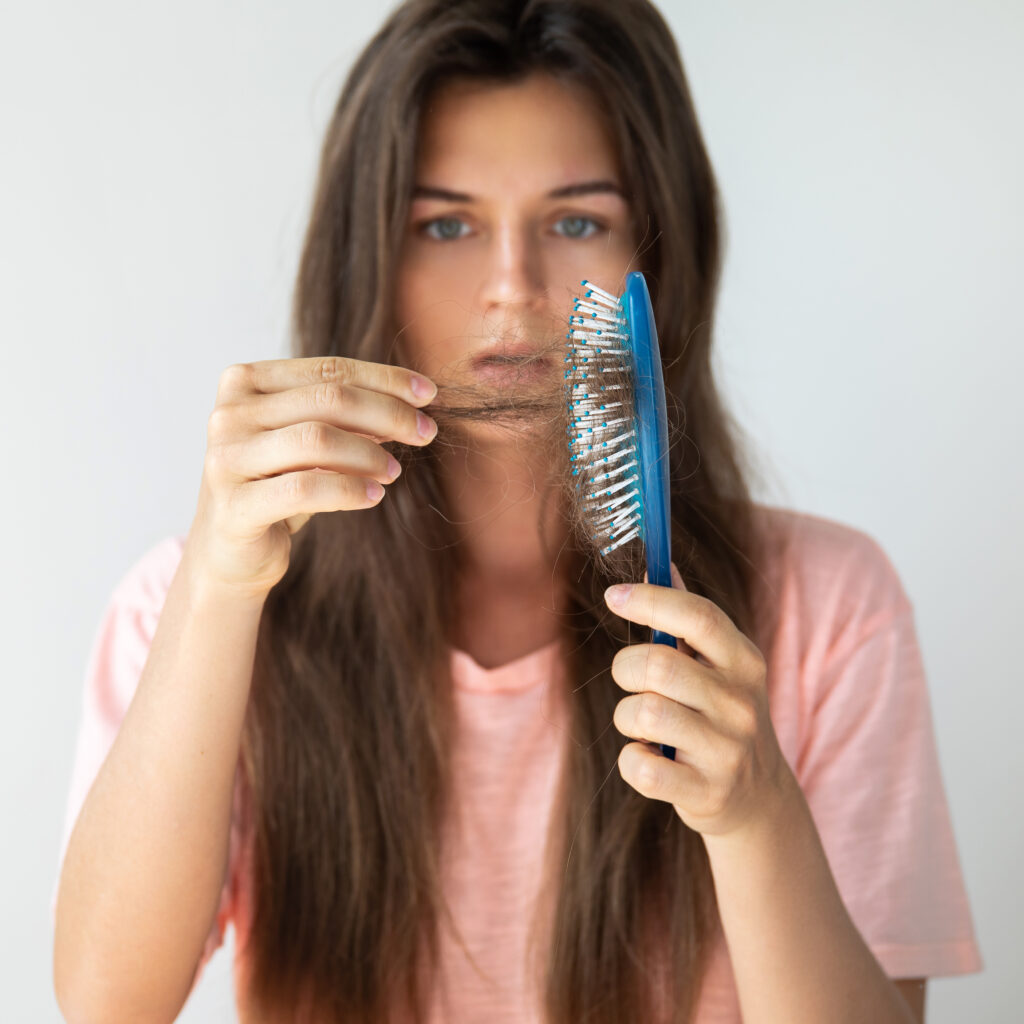
Many women begin noticing increased hair shedding while brushing, widening of the hair part, reduced volume, or hair that simply feels thinner than it once did. Because these changes can happen gradually, women often dismiss them initially as stress, aging, or temporary changes. Over time, however, hair loss can affect confidence and become emotionally difficult to ignore.
Hair changes during menopause are common, but they should not automatically be considered something women simply have to accept.
Why Hair Thinning Can Occur During Menopause
Hair growth is influenced by many factors, including hormones, nutrition, stress, genetics, thyroid function, and overall health. During perimenopause and menopause, changing hormone levels may affect the natural growth cycle of hair.
Women may notice:
- Increased daily hair shedding
- Hair becoming finer in texture
- Reduced fullness or volume
- Widening of the part line
- Slower hair growth
- Changes in skin and nail quality
- Fatigue or other symptoms occurring at the same time
Hair thinning often occurs alongside symptoms such as restless sleep, mood changes, brain fog, weight changes, and lower energy levels, which may indicate a larger hormonal picture rather than an isolated issue.
Looking Beyond the Hair: Understanding the Whole Picture
Hair loss can be frustrating because it often feels like a visible reminder that something within the body has changed. However, successful treatment begins with understanding why it is happening.
With more than 30 years of experience in women’s health, Susan B. Poncy takes an individualized approach to evaluating symptoms and helping women better understand the factors contributing to how they feel.
A consultation with Dr. Poncy may include discussion of:
- Hormonal changes associated with menopause
- Symptoms affecting sleep and energy
- Nutritional considerations
- Lifestyle and stress factors
- Overall wellness goals
- Treatment options tailored to each woman’s needs
Can Hormone Replacement Therapy Help Hair Loss During Menopause?
For some women, hormone replacement therapy (HRT) may be considered as part of an overall treatment strategy when symptoms appear related to hormonal changes.
When appropriate, balancing hormones may help support areas that many women notice have changed during menopause, including:
- Overall energy levels
- Sleep quality
- Mood and mental clarity
- Hot flashes and night sweats
- Skin and hair health
- General sense of well-being
While no treatment can guarantee hair regrowth, improving underlying hormonal balance may help create a healthier environment for hair growth while also addressing other symptoms that may be affecting quality of life.
Many women seek care because they want more than simply treating a symptom. They want to feel like themselves again — to wake up with energy, feel more confident, and regain the sense that their bodies are working with them rather than against them.
Helping Women Feel Better From the Inside Out
Hair thinning may begin as a cosmetic concern, but for many women it represents something larger. It can be one of several signals that the body is undergoing significant changes.
Dr. Susan Poncy’s approach focuses not only on helping women understand those changes, but also on creating a personalized plan designed to improve overall well-being, helping women feel healthier, stronger, and more like themselves again.